What to Do When Your Roof is Damaged in a Northern Ireland Storm
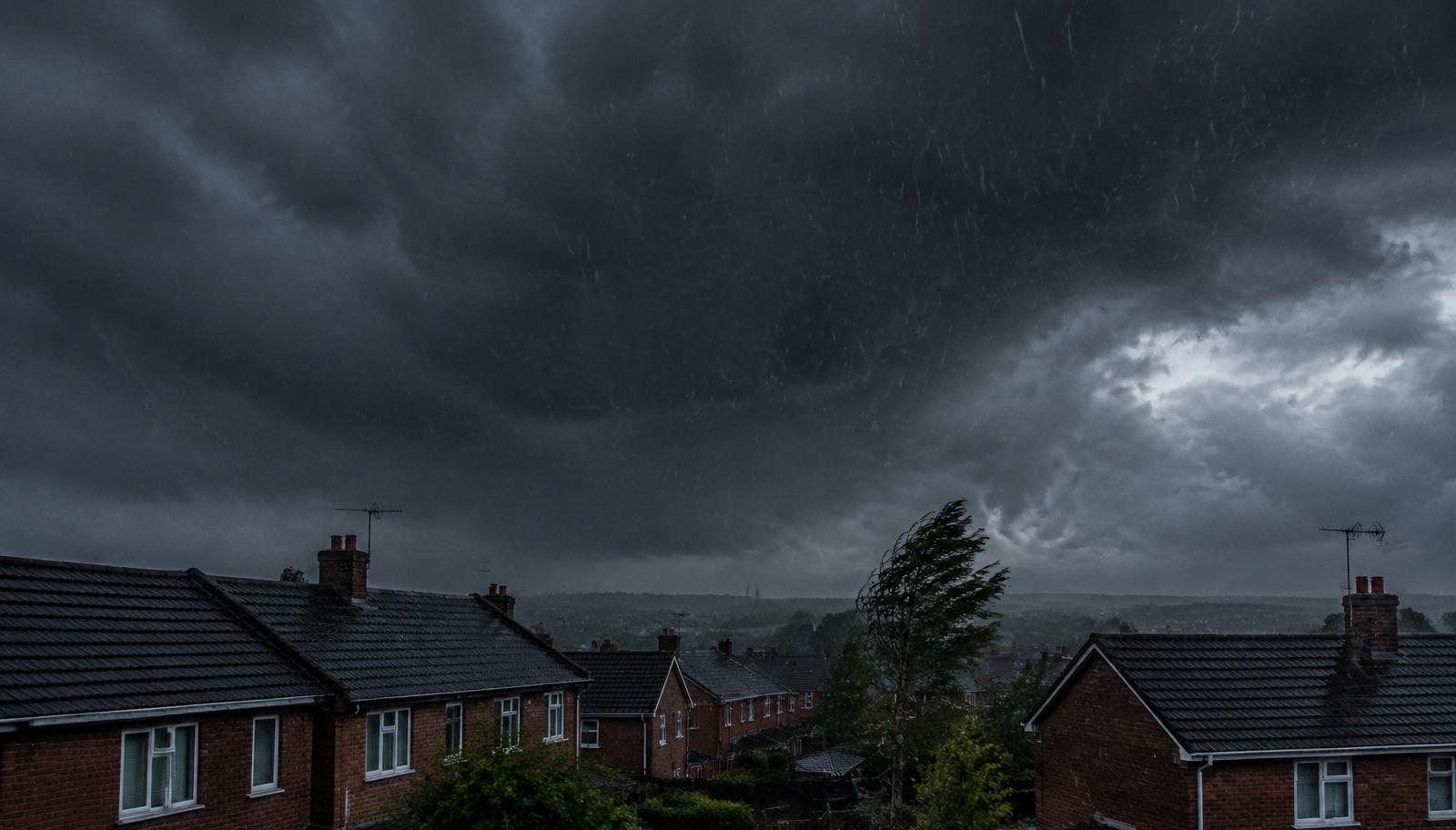
Northern Ireland gets its fair share of wild weather. Every autumn and winter, Atlantic storms sweep across the country bringing gusts that can reach 70 or 80 miles per hour on exposed ground. When they hit, roofs take the brunt of it. If you wake up to find slates in the garden or water dripping through the ceiling, it is easy to panic. This guide walks you through exactly what to do when you have storm damage to your roof in Northern Ireland.
1. Safety first
Never go up on the roof yourself, and do not climb a ladder in wind or rain. Wet slates are lethal and every year people are seriously injured trying to fix storm damage themselves. Stay clear of areas where tiles, slates or chimney pots could fall, and keep children and pets indoors.
If water is coming through near light fittings, sockets or the fuse board, switch off the electricity at the mains. If a ceiling is bulging with water, keep well away from it, as it may collapse.
2. Limit the damage inside
Put buckets or bowls under drips and move furniture, electronics and valuables away from the affected area. Lay towels down to protect flooring. If it is safe to go into the loft, a sheet of plastic or a bucket under the leak can stop water spreading across ceilings. Do not attempt to cover the outside of the roof yourself.
3. Document everything for insurance
Most home insurance policies in Northern Ireland cover storm damage, but you will need evidence. Before anything is moved or repaired, take clear photos and videos of the damage from the ground, inside the loft and in any affected rooms. Photograph fallen slates, debris and damaged belongings. Note the date and time of the storm.
Contact your insurer as soon as you can. Many have emergency helplines and will allow you to arrange urgent temporary repairs to prevent further damage. Keep all receipts, as these costs are often claimable. Insurers can refuse claims where damage is caused by wear and tear rather than the storm itself, which is one reason regular roof maintenance matters.
4. Find an emergency roofer
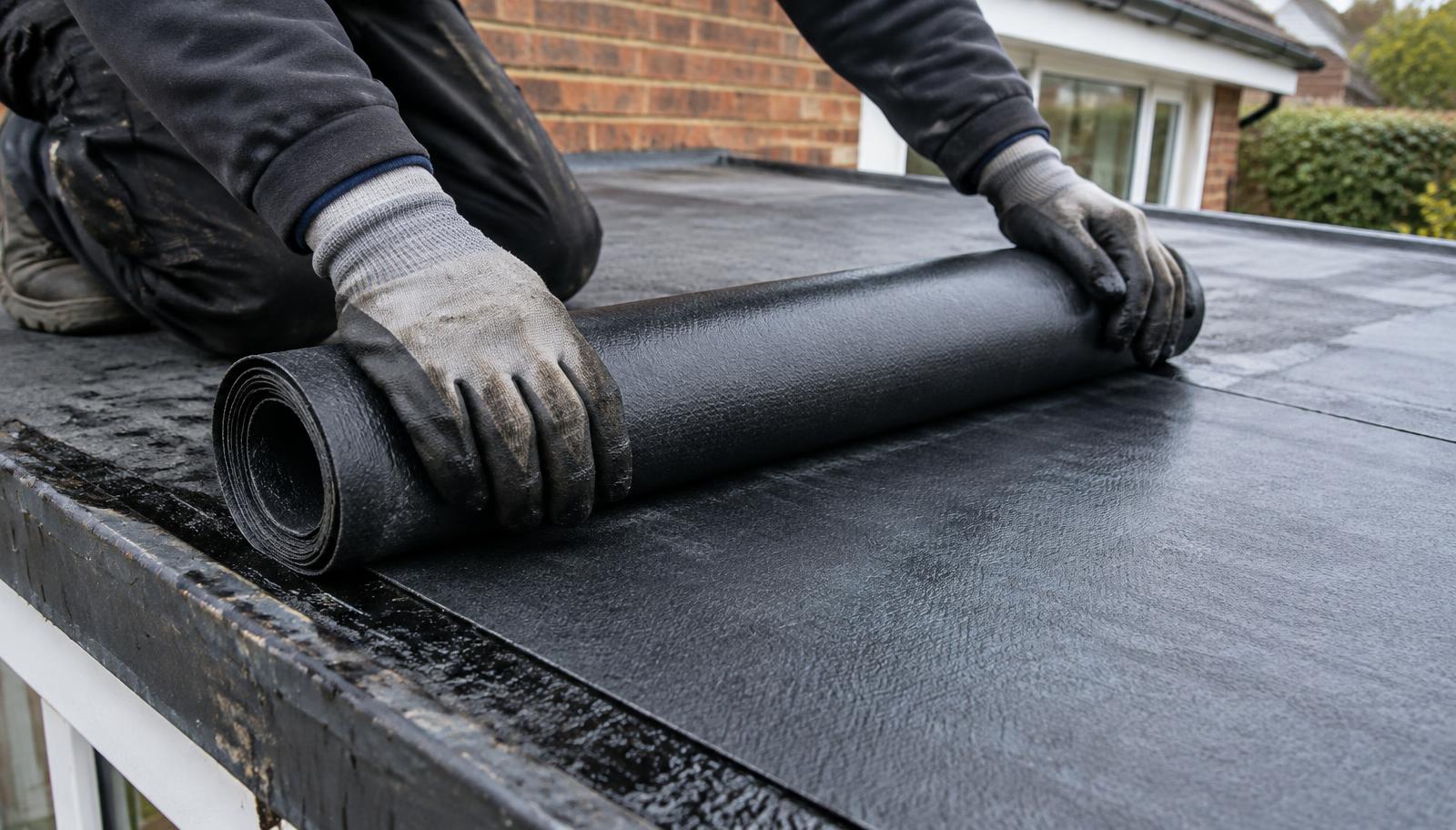
After a big storm, roofers across Belfast and Lisburn are in high demand, so it pays to get in touch quickly. A good emergency roofer will first make the roof watertight with a temporary repair, such as refixing slates or fitting a tarpaulin, and then come back to carry out a permanent fix once the weather settles.
Be cautious of anyone who turns up at your door uninvited offering to fix your roof that day for cash. Rogue traders often target areas hit by storms. Always use a fully insured roofer and ask for a written quote before work begins.
Why NI storm season is so tough on roofs
Northern Ireland's storm season usually runs from October to March, with the worst weather often between December and February. Named storms regularly cause widespread damage, from slipped slates on Belfast terraces to flat roofs peeled off garages in Lisburn and the Lagan Valley. Coastal towns and homes on higher ground are especially exposed.
Wind is only part of the problem. Days of heavy rain before and after a storm find any weakness. A roof with loose slates, cracked ridge mortar or blocked gutters is much more likely to fail when the gales arrive.
Prepare before the next storm
A quick roof check in early autumn can save you a lot of stress. Ask a roofer to look for loose or missing slates, cracked ridge tiles, damaged flashing and blocked gutters. Small repairs now are far cheaper than emergency call outs mid storm.
Need help right now?
RoofersNI connects homeowners across Belfast, Lisburn and all of Northern Ireland with fully insured local roofers who handle emergency storm repairs. Send us a WhatsApp with your location, what has happened and a photo if it is safe to take one. Mark your message URGENT and we will prioritise your enquiry.
Need a roofer in Northern Ireland?
Message RoofersNI on WhatsApp with your name, area and what you need. Mark it URGENT and we'll prioritise your enquiry.