Why Roof Moss is Such a Problem in Northern Ireland, and What to Do About It
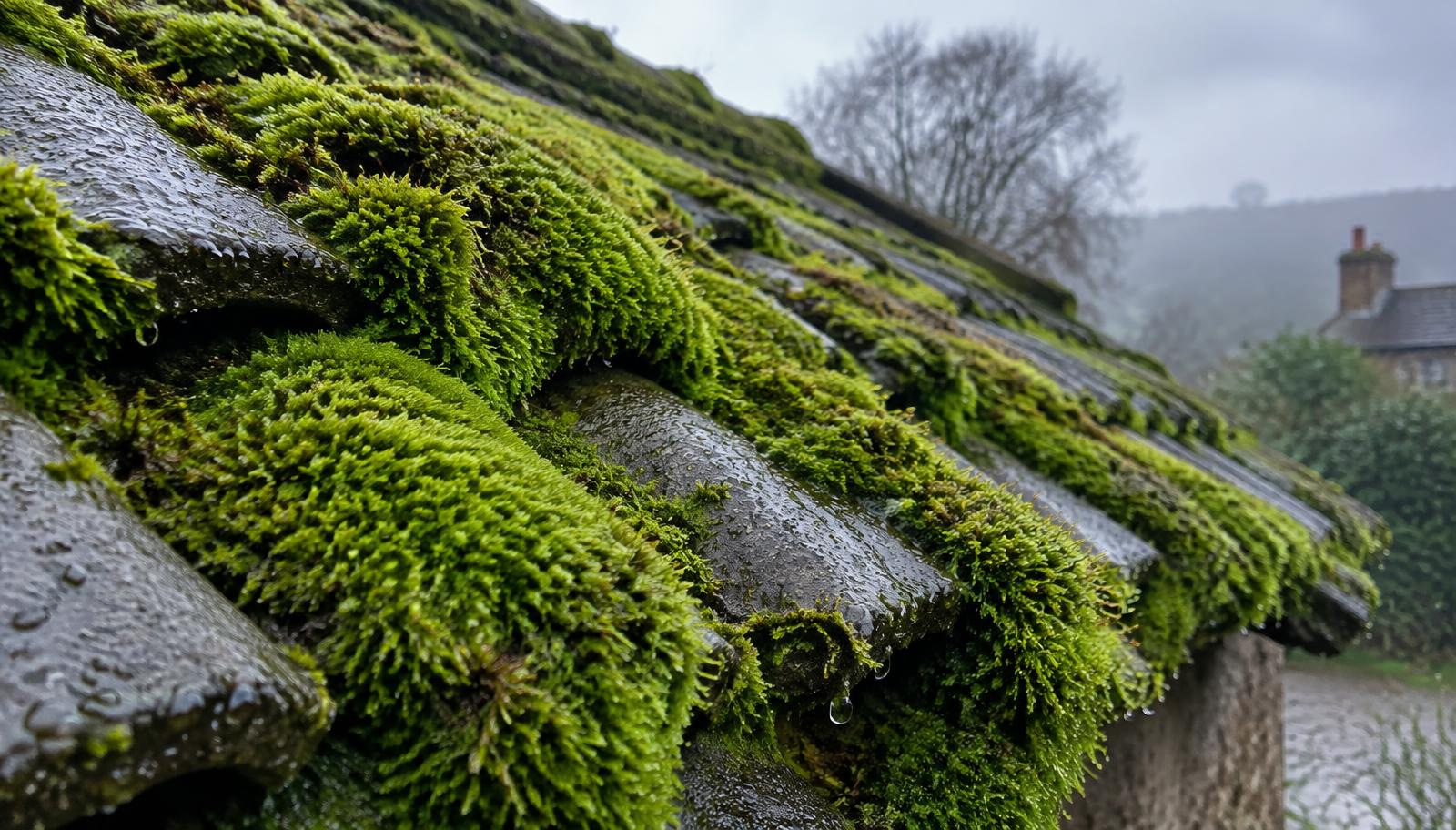
Take a walk down almost any street in Northern Ireland and you will see roofs turning green. Roof moss in Northern Ireland is so common that many people think of it as just part of the scenery. But over time moss can cause real damage to your roof and gutters. This guide explains why it grows so well here, what it does to your roof and the best ways to deal with it.
Why NI's climate is perfect for moss
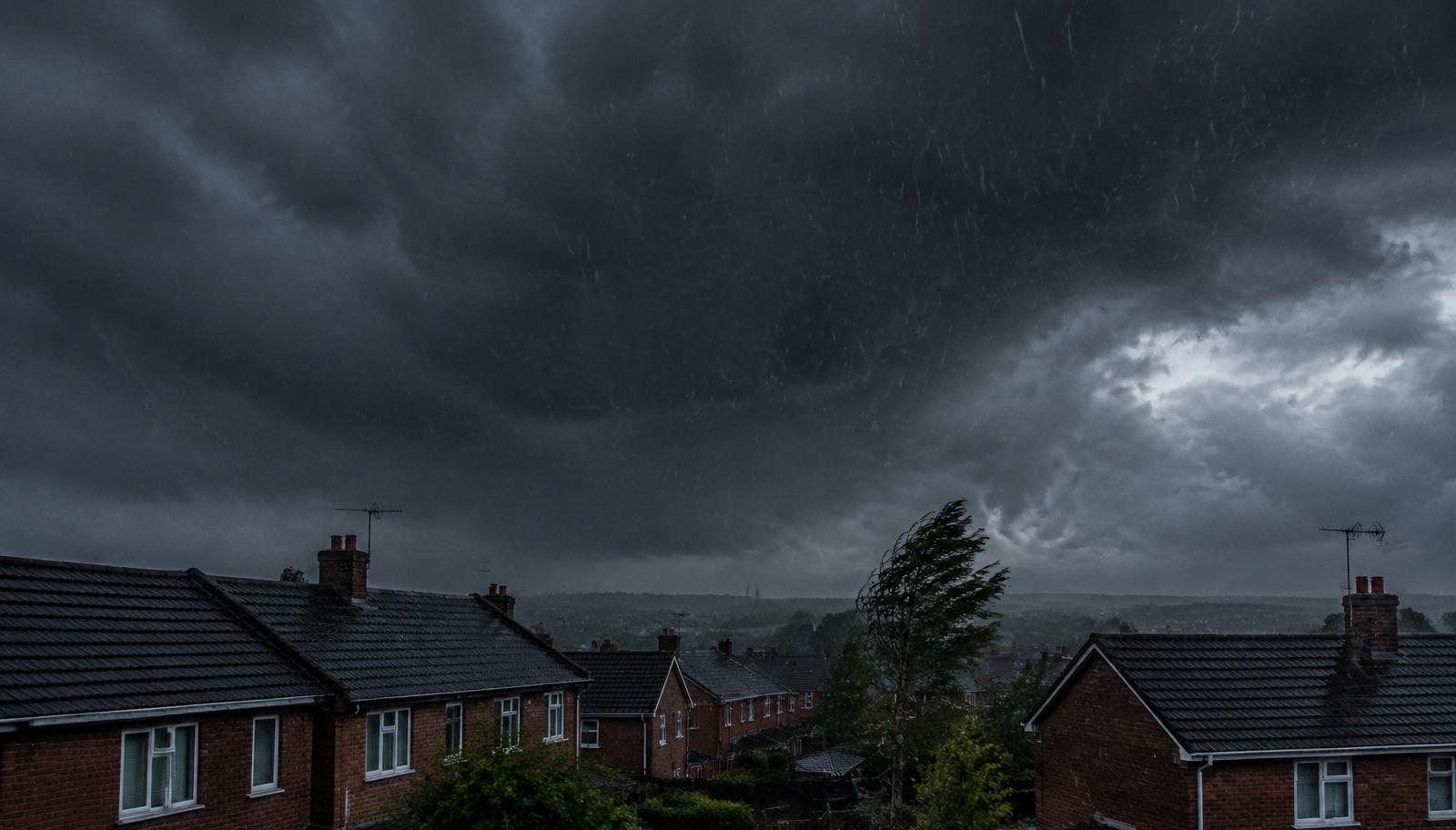
Moss needs moisture, mild temperatures and a bit of shade to thrive, and Northern Ireland offers all three for most of the year. With rain on well over half the days of the year in many areas, mild winters and plenty of overcast skies, roof surfaces rarely get the chance to dry out properly.
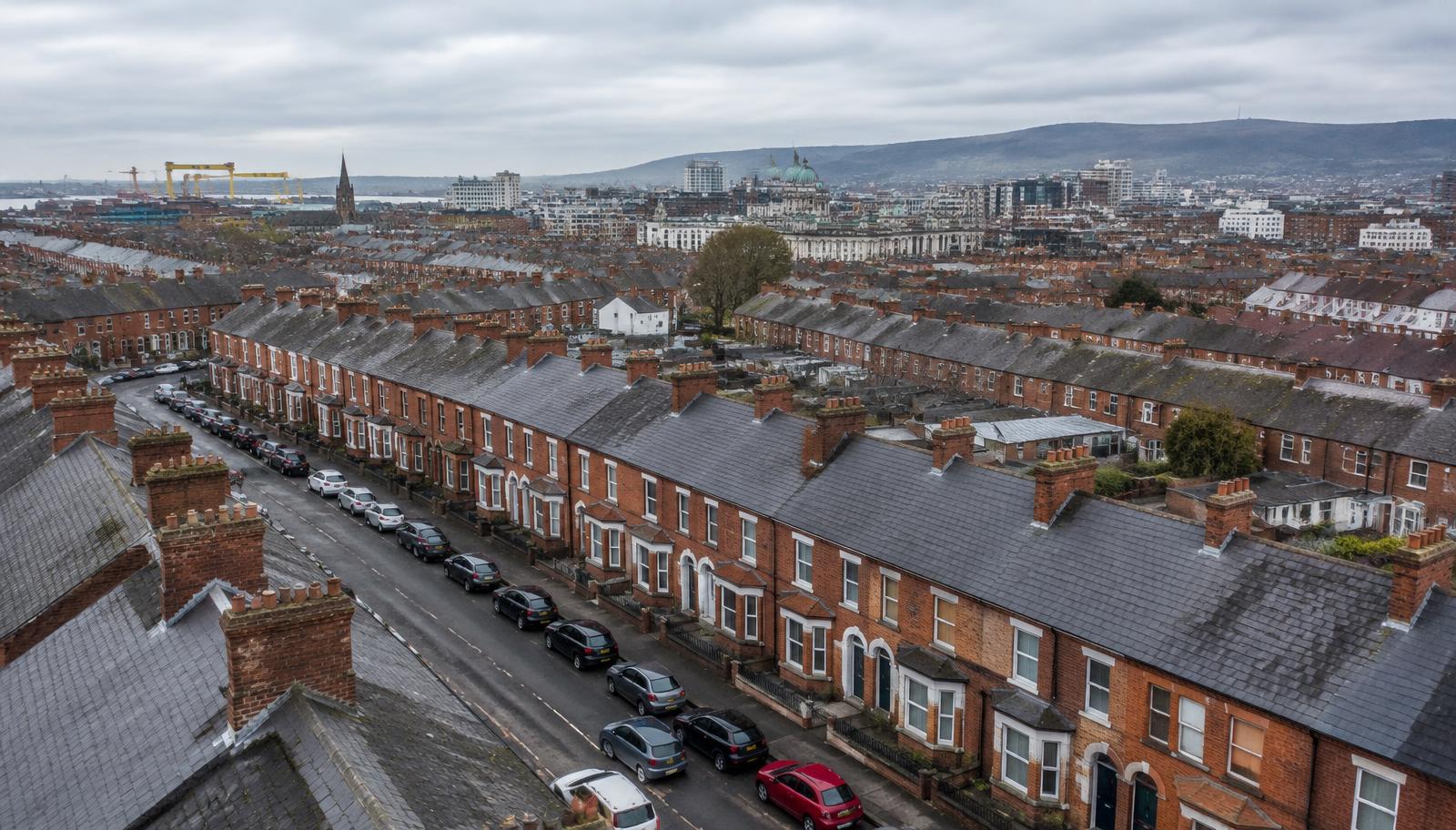
Certain roofs are especially prone. North facing slopes get little sun, roofs under or near trees stay damp and catch falling debris, and concrete tiles are porous, holding moisture that moss loves. That is why so many 1960s and 1970s estates around Belfast and Lisburn, with their concrete tiled roofs, are particularly affected.
The damage moss causes over time
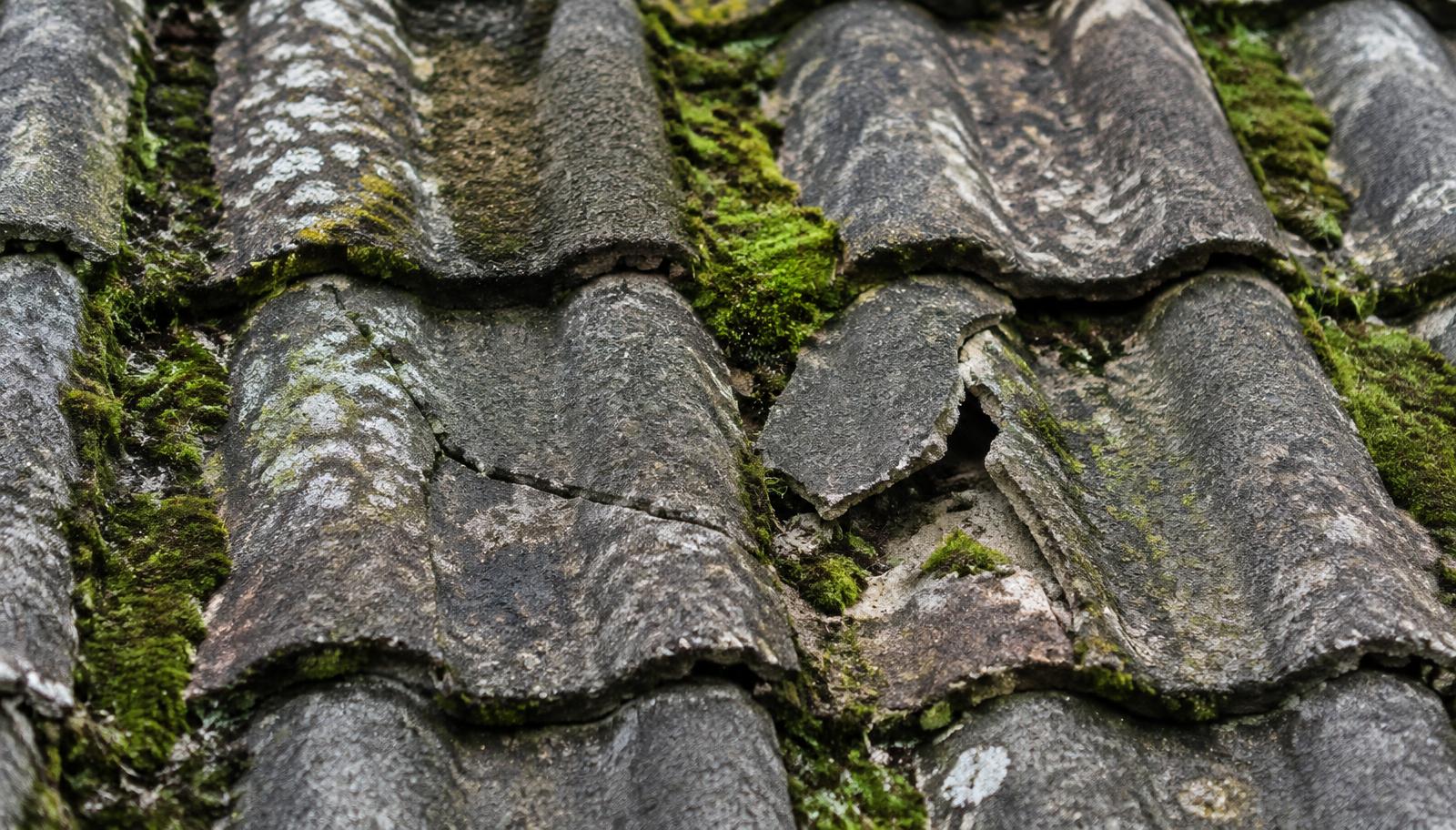
A thin layer of moss is mostly cosmetic. The problems start as it thickens. Moss acts like a sponge, holding water against your tiles for long periods. It grows into the gaps between tiles, slowly lifting them and allowing wind driven rain to get underneath to the felt and battens.
In winter, water held in moss can freeze and expand, cracking tiles and loosening mortar. Clumps of moss also break off and wash into gutters and downpipes, causing blockages that lead to overflowing water, damp walls and rotten fascia boards. Left for years, heavy moss can shorten the life of a roof significantly.
DIY vs professional moss removal
It can be tempting to tackle moss yourself, but working at height on a damp, slippery roof is genuinely dangerous. Falls from roofs and ladders cause serious injuries every year. Walking on tiles can also crack them, leading to leaks.
Pressure washing is another common mistake. High pressure water can strip the surface off concrete tiles, damage old slates and force water under the roof covering. Professional roofers use safer methods with the right access equipment and insurance.
Soft wash and professional treatment
Most professionals now use a soft wash approach. Thick moss is first removed carefully by hand using scrapers and brushes. A specialist biocide is then applied at low pressure, killing remaining moss, algae and lichen down to the roots. Over the following weeks the treatment keeps working and rain washes away the dead growth. Gutters are cleared at the end so nothing is left to block them.
Preventative treatments
To stop moss coming straight back, a follow up biocide treatment every two to three years is a good idea. Trimming back overhanging branches lets more light and air reach the roof. Some homeowners also have zinc or copper strips fitted near the ridge, which release small amounts of metal into rainwater and discourage growth. Regular gutter cleaning is the other simple step that prevents moss from causing knock on damage.
Moss in Belfast and Lisburn
In Belfast, damp air off the Lough and the sheer number of concrete tiled roofs on post war estates mean moss is a constant issue. In Lisburn, leafy areas and homes near mature trees along the Lagan Valley often see heavy growth on shaded slopes. In both, a professional clean and treatment every few years keeps roofs in good health.
Get your roof cleaned safely
RoofersNI connects homeowners across Belfast, Lisburn and all of Northern Ireland with fully insured local roofers who offer safe moss removal and treatment. Send us a WhatsApp with your area and a photo of your roof, and we will put you in touch with a trusted roofer. It is free to enquire.
Need a roofer in Northern Ireland?
Message RoofersNI on WhatsApp with your name, area and what you need. Mark it URGENT and we'll prioritise your enquiry.